Did you know that the iPhone 15 is set to revolutionize the smartphone industry with its groundbreaking features? From enhanced camera capabilities to a sleeker design, this latest iteration from Apple promises to be a game-changer. With advanced augmented reality experiences and improved processing power, the iPhone 15 is poised to redefine user expectations.
As we delve into the details of what’s in store, get ready to discover how the iPhone 15 is shaping up to be a technological marvel that will undoubtedly leave its mark on the mobile landscape.
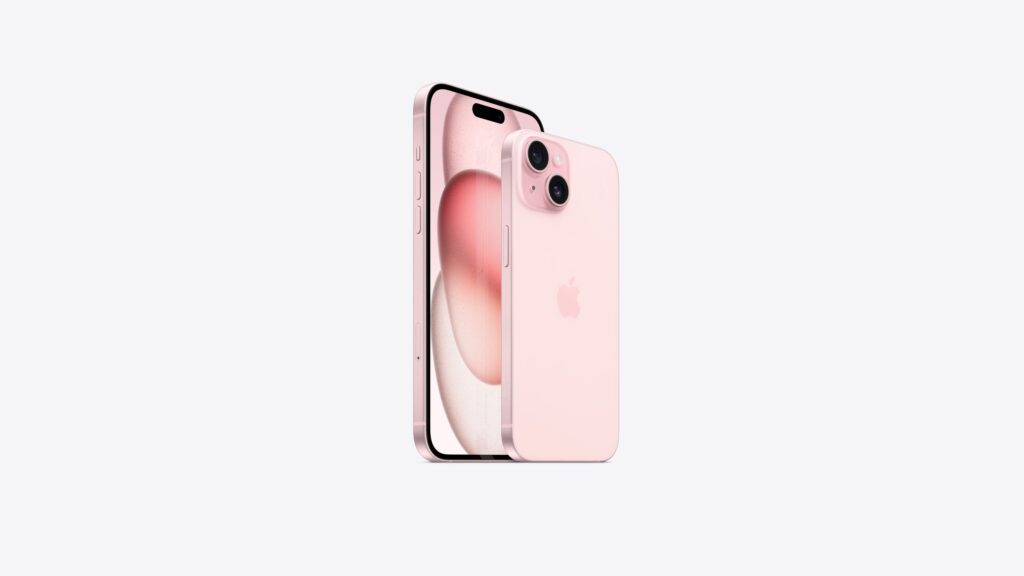
| Specification | iPhone 15 |
|---|---|
| Design | Sleek and modern |
| Camera | 48MP rear camera, 12MP front camera |
| Chip | A16 processor |
| Display | Super Retina XDR display |
| Battery | Long-lasting battery life |
| Connectivity | 5G support |
| Storage | Multiple storage options available |
| Operating System | iOS 17 |
Unveiling the iPhone 15 Design and Dynamic Island
Sleek Design
The new iPhone 15 boasts a remarkably sleek and modern design that is bound to captivate tech enthusiasts. The seamless integration of cutting-edge technology with an elegant exterior sets this device apart from its predecessors. With a focus on aesthetics and functionality, the iPhone 15’s design represents a significant leap forward in the evolution of smartphone innovation.
The iPhone 15 features an edge-to-edge screen that delivers an unparalleled viewing experience. This expansive display not only enhances visual immersion but also offers users more screen real estate for multitasking, gaming, and media consumption.
Dynamic Island Display
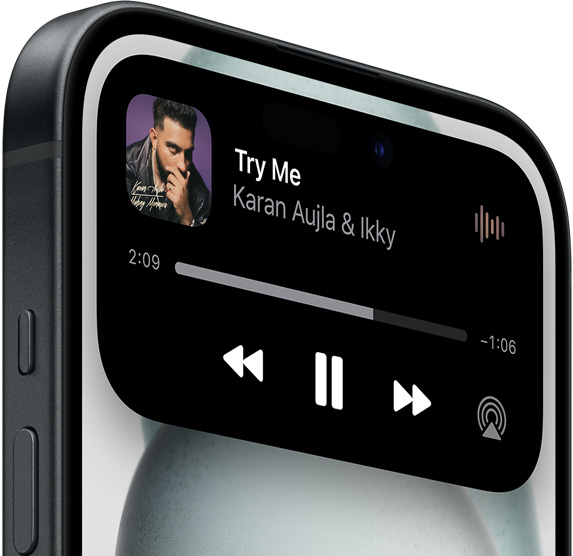
At the heart of the iPhone 15’s groundbreaking design is its dynamic island display. This innovative feature introduces a new paradigm in user interaction by incorporating dynamically changing elements within the interface. The dynamic island seamlessly integrates essential information, notifications, and quick access controls into a visually striking layout.
The incorporation of the dynamic island concept revolutionizes how users engage with their devices on a daily basis. By providing instant access to key functionalities while maintaining an uncluttered interface, this design change elevates both usability and aesthetics to unprecedented levels.
In line with Apple’s commitment to pushing boundaries in product development, the introduction of the dynamic island display reflects a bold departure from conventional smartphone designs. By embracing this transformative approach, Apple continues to redefine industry standards while delivering enhanced user experiences.
Exploring the 48MP Main Camera Capabilities
Enhanced Clarity
The iPhone 15 is equipped with a remarkable 48MP main camera, ensuring that every photo captures an incredible level of detail. The advanced image processing technology integrated into this powerful camera guarantees exceptional clarity and precision, allowing users to capture stunning images with unparalleled sharpness and resolution.
Whether it’s a picturesque landscape or a close-up shot, the 48MP main camera on the iPhone 15 delivers an impressive level of detail that truly sets it apart.This enhanced clarity ensures that every image taken with the iPhone 15 is rich in detail, making it ideal for those who value professional-grade photography capabilities in their smartphone.
Low-Light Performance
One of the most groundbreaking features of the iPhone 15’s 48MP main camera is its exceptional performance in low-light conditions. With innovative advancements in sensor technology and image processing algorithms, this cutting-edge camera redefines mobile photography standards by delivering outstanding results even in challenging lighting scenarios. The ability to achieve such impressive results under low-light conditions elevates the overall photography experience offered by the iPhone 15, empowering users to effortlessly capture memorable moments regardless of lighting constraints.

Revolutionary Video Playback
In addition to its prowess in photography, the 48MP main camera on the iPhone 15 also revolutionizes video playback. By leveraging its high-resolution capabilities, this extraordinary camera allows users to enjoy crisp and immersive video playback like never before. Whether reliving cherished memories or watching captivating content, the enhanced video playback quality adds another dimension to multimedia experiences on mobile devices.
Moreover, when recording videos using this advanced main camera, users can expect unparalleled sharpness and clarity throughout their footage. The combination of high-resolution video recording and exceptional low-light performance makes every moment captured with the iPhone 15’s main camera truly unforgettable.
A16 Bionic Chip and Performance Insights
Lightning-Fast Performance
The A16 Bionic chip in the iPhone 15 delivers unparalleled speed, ensuring lightning-fast performance for all your tasks. Whether you’re browsing the web, streaming videos, or running multiple apps simultaneously, the A16 chip guarantees a seamless experience without any lag or delays. This means you can switch between different applications effortlessly and enjoy smooth transitions without any hiccups.
With this level of performance at your fingertips, you can expect to accomplish tasks with remarkable efficiency and minimal waiting time. For instance, when capturing high-resolution photos using the 48MP main camera on your iPhone 15, the A16 Bionic chip processes images swiftly without compromising quality.
Impressive AI Capabilities
Experience cutting-edge AI capabilities powered by the A16 Bionic chip in your iPhone 15. The advanced neural engine integrated into the chipset enables intelligent features such as real-time photo enhancement and scene recognition. Moreover, when utilizing augmented reality (AR) applications or games that leverage AI technology for immersive experiences on your iPhone 15, you’ll notice exceptional fluidity and realism thanks to the powerful processing capabilities of A16’s neural engine.
Gaming Performance
The A16 Bionic chip elevates gaming performance on the iPhone 15 to new heights. With its robust GPU architecture and optimized software integration, you can enjoy graphically intensive games at maximum settings while maintaining consistently high frame rates for an immersive gaming experience like never before. Whether it’s action-packed titles or visually stunning adventures from various genres – all run seamlessly on your device.
Additionally,
-
The pro chip ensures efficient power management during extended gaming sessions.
-
It optimizes resource allocation for sustained peak performance.
-
The A16 Bionic chip empowers developers to create richer gaming experiences tailored specifically for iPhone 15 users.
USB-C Compatibility and Enhanced Connectivity
Faster Data Transfer and Charging Speeds
The iPhone 15 comes with USB-C compatibility, allowing users to experience faster data transfer and charging speeds. This means that when you connect your iPhone 15 to a compatible device or charger using a USB-C cable, you can expect quicker file transfers and significantly reduced charging times. For instance, transferring large files such as high-resolution photos or videos will be much faster compared to previous models.When charging your iPhone 15 with a USB-C power adapter, you can expect it to charge more rapidly than before.
Greater Convenience and Versatility
With the inclusion of USB-C, the iPhone 15 offers greater convenience and versatility in terms of connecting accessories. Many modern devices now use USB-C ports for connectivity, including laptops, tablets, external hard drives, and even some cameras. With this feature on the iPhone 15, users no longer have to carry multiple cables or adapters for different devices; they can simply use a single USB-C cable for various connections.
Adaptability to Various Devices
The introduction of USB-C brings about improved adaptability for the iPhone 15 across various devices and peripherals. Whether it’s syncing data with a laptop or transferring files to an external storage device like an SSD (solid-state drive), having USB-C support ensures seamless compatibility across different platforms. For example:
- You could easily connect your iPhone 15 directly to a MacBook Pro using a single USB-C cable.
-
Transferring files from your phone onto an external SSD becomes hassle-free due to matching port types.
-
Connecting your phone directly into certain printers that support direct printing via USB becomes possible without any additional adapters required.
Battery Longevity and Fast Charging Features
Extended Battery Life
The iPhone 15 is designed to provide exceptional battery life, ensuring that you stay connected throughout the day without constantly worrying about charging. Whether you’re browsing the web, streaming videos, or playing games, the iPhone 15’s extended battery longevity keeps up with your active lifestyle. This means less time spent tethered to a power outlet and more freedom to use your smartphone on the go.
Fast Charging Capabilities
In addition to its remarkable battery life, the iPhone 15 features fast charging capabilities that enable quick replenishment of its battery when needed. This means that even if you find yourself running low on power during a hectic day, you can rapidly recharge your device and get back in action within a short amount of time. Whether it’s during a brief break at work or before venturing out for evening plans, fast charging empowers users with greater control over their device’s power status.
Safety Protocols and Emergency SOS via Satellite
Advanced Safety Protocols
The iPhone 15 is equipped with advanced safety protocols to ensure user protection, especially in remote locations. This cutting-edge device offers an emergency SOS feature that leverages satellite connectivity, providing users with a reliable means of accessing help in challenging situations. With this capability, the iPhone 15 goes beyond traditional emergency services by incorporating satellite-based communication for enhanced safety.
In the event of an emergency, users can activate the emergency SOS feature on their iPhone 15 to swiftly connect with local law enforcement or request roadside assistance. This proactive approach to safety empowers individuals to seek help even in areas with limited cellular coverage. Whether it’s navigating through rugged terrain or embarking on outdoor adventures, the iPhone 15’s incorporation of satellite technology ensures that users have access to critical support when needed most.
Seamless Connectivity
The integration of satellite connectivity within the iPhone 15 enables individuals to stay connected regardless of their location. Unlike conventional smartphones that rely solely on cellular networks for communication, this innovative device harnesses the power of satellites to establish a lifeline during emergencies. By seamlessly switching between satellite and cellular networks as needed, the iPhone 15 ensures uninterrupted access to essential services, offering peace of mind and security in diverse environments.
Moreover, the inclusion of an emergency SOS feature via satellite aligns with Apple’s commitment to enhancing user safety across various scenarios. Whether embarking on a remote hiking expedition or traveling through areas with unreliable network coverage, iPhone 15 users can rest assured knowing they have a dependable method for summoning assistance during unforeseen circumstances.
iOS 17 Integration and Ecosystem Compatibility
Enhanced Synchronization
With iOS 17 on your iPhone 15, you can seamlessly integrate it with other Apple devices, creating a cohesive ecosystem experience. The enhanced synchronization brought by iOS 17 ensures that your iPhone 15 works harmoniously with other Apple products. This means that the photos, messages, and apps on your iPhone are effortlessly accessible across all your Apple devices.
The improved synchronization allows for effortless transitions between different devices. For instance, you can start an email on your iPhone 15 and finish it up on your MacBook without missing a beat. Any edits made to documents or notes using one device will instantly reflect across all linked gadgets through iCloud.
Unparalleled Synergy
One of the most significant advantages of iOS 17 integration is experiencing unparalleled synergy between various Apple devices. With this feature enabled in iPhone 15, tasks such as answering calls or replying to texts become seamless regardless of which device you are currently using within the ecosystem.
Moreover, thanks to Handoff functionality within iOS 17’s integrated ecosystem compatibility features users enjoy smooth transitions between different gadgets while maintaining their workflow continuity throughout their daily activities.
Purchasing Options: Apple Trade In and Carrier Deals
Apple Trade In
One of the most convenient options is to take advantage of Apple Trade In. This program allows you to exchange your current device for credit towards a new iPhone 15. By participating in this trade-in process, you can save on your purchase while also ensuring that your old device is responsibly recycled by Apple.
The exchange process through Apple Trade In is simple and straightforward. You can check online if your current device qualifies for trade-in and receive an estimate of its trade-in value. Once you’ve initiated the trade-in, you’ll send your old device to Apple using a prepaid shipping label they provide. Upon receiving and verifying the condition of your device, you’ll receive credit towards the purchase of your new iPhone 15.
Carrier Deals
In addition to Apple Trade In, exploring exclusive carrier deals presents another attractive option for acquiring the innovative iPhone 15 at a competitive price point. Many carriers offer special promotions, discounts, or bill credits when purchasing a new phone or switching providers.
These carrier deals often include incentives such as discounted prices, installment plans with low monthly payments, or even buy-one-get-one offers when adding lines or upgrading existing ones. Some carriers also provide financing options that allow customers to spread out the cost of their new iPhone 15 over time with little or no interest.
Eco-Friendly Design of Iphone 15
The iPhone 15 exemplifies Apple’s dedication to sustainability through its eco-friendly design and materials. The device is crafted with recycled and renewable resources, reducing the environmental impact of its production. Apple’s commitment to sustainability extends beyond the physical components of the iPhone 15. The company has implemented innovative techniques to reduce waste during manufacturing processes, such as utilizing water-based adhesives that are easier to recycle. This approach aligns with Apple’s broader goal of achieving a closed-loop supply chain, where products are designed with recycling in mind from their inception.
Final Remarks
You’ve now got the inside scoop on the groundbreaking features of the iPhone 15. From its revolutionary Dynamic Island design to the powerful 48MP main camera and the lightning-fast A16 Bionic chip, this device is set to redefine what you thought was possible. With USB-C compatibility, enhanced connectivity, and remarkable battery longevity, the iPhone 15 is not just a smartphone – it’s a game-changer. As you consider your next tech upgrade, keep in mind the environmental considerations and purchasing options available. The future is here, and it’s in the palm of your hand with the iPhone 15.
Ready to experience innovation like never before? Dive into the world of iPhone 15 and discover a new era of possibilities! Don’t miss out on being at the forefront of technology – upgrade to the iPhone 15 today.
Frequently Asked Questions
What are the standout design features of the iPhone 15?
The iPhone 15 boasts a sleek and dynamic island design that sets it apart. With its refined aesthetics and cutting-edge materials, it offers a truly futuristic look and feel.
How does the 48MP main camera enhance photography capabilities?
The 48MP main camera elevates photography to new heights, delivering exceptional clarity, detail, and depth. Whether capturing landscapes or close-ups, this powerful camera ensures stunning results in any scenario.
What makes the A16 Bionic chip stand out in terms of performance?
The A16 Bionic chip redefines speed and efficiency with seamless multitasking and lightning-fast responsiveness. Its advanced architecture empowers users to effortlessly handle demanding tasks and enjoy immersive experiences.
How does USB-C compatibility improve connectivity for the iPhone 15?
USB-C compatibility enables faster data transfer speeds and more versatile connectivity options. It enhances convenience by allowing users to connect their devices seamlessly while ensuring efficient power delivery.
What are the key features that contribute to battery longevity and fast charging on the iPhone 15?
The iPhone 15’s battery longevity is optimized through intelligent power management, while fast charging capabilities ensure minimal downtime. This combination allows users to stay productive without being tethered to a charger for extended periods.
How does the iPhone 15 prioritize safety with emergency SOS via satellite?
In critical situations, emergency SOS via satellite provides an added layer of security by enabling users to send distress signals from remote locations where traditional networks may not be available.
How well does iOS 17 integrate with other Apple devices in terms of ecosystem compatibility?
iOS 17 seamlessly integrates across Apple’s ecosystem, offering harmonious synchronization between devices for a cohesive user experience. This ensures effortless sharing of content, smooth transitions between devices, and enhanced productivity.